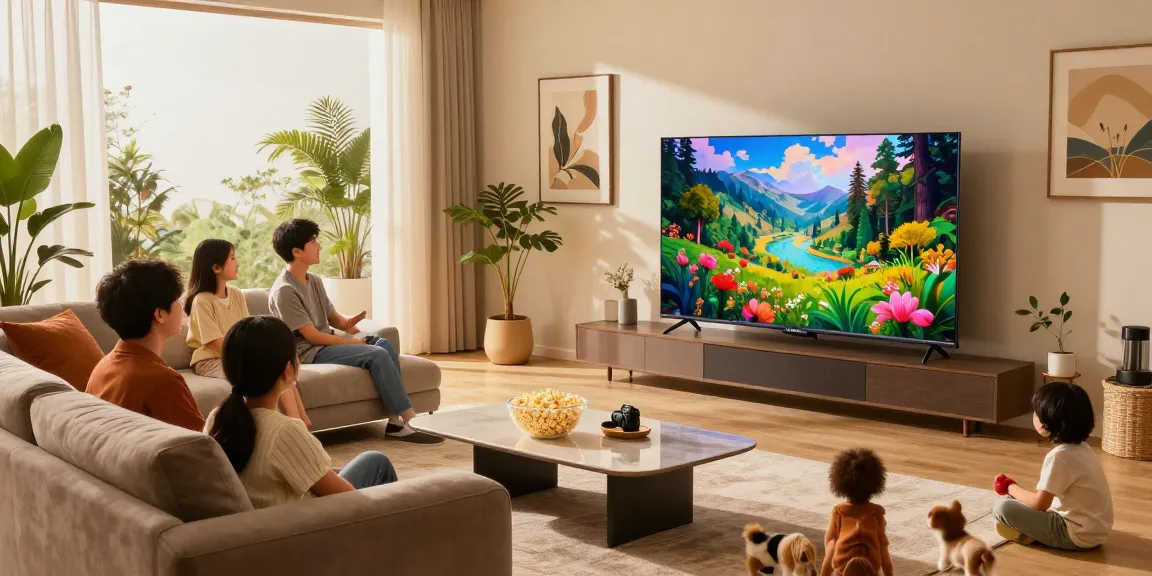
Introduction to OLED TV Technology in 2026
As we venture deeper into 2026, the world of television technology is undergoing remarkable advancements, particularly in the realm of OLED (Organic Light Emitting Diode) displays. OLED TVs have revolutionized the viewing experience by offering unparalleled picture quality, vibrant colors, and deep blacks that traditional LCD or LED screens struggle to match. In this article, we explore the latest innovations in OLED technology, ideal selections for various consumers, and the exciting future trends that lie ahead. When exploring options, OLED TV 2026 provides comprehensive insights that can guide your purchase decisions.
What is OLED Technology?
OLED technology operates on a fundamentally different principle compared to conventional LCD displays. It utilizes organic compounds that emit light when an electric current is applied, allowing each pixel to turn on and off individually. This capability results in true blacks, as pixels in dark scenes can be completely turned off, thereby enhancing contrast and color richness. Furthermore, OLED screens are typically thinner and more flexible than their LCD counterparts, enabling manufacturers to design ultra-slim TVs that fit seamlessly into modern home aesthetics.
Benefits of OLED TVs for Home Entertainment
The advantages of OLED TVs extend beyond just aesthetic appeal. Key benefits include:
- Exceptional Picture Quality: OLED displays can achieve superior color accuracy and improved viewing angles due to the lack of a backlight.
- Faster Response Times: This technology offers quicker refresh rates, which is particularly advantageous for gamers and action movie enthusiasts.
- Energy Efficiency: OLED screens consume less power when displaying darker images since black pixels are switched off.
- Sleek Designs: The thin profile of OLED TVs makes them an attractive addition to any living space.
How OLED has Evolved by 2026
As the demand for higher-quality screens increases, OLED technology has undergone significant advancements by 2026. Notable developments include:
- Increased Brightness: New manufacturing techniques have improved the brightness levels of OLED displays, making them more viable for various lighting conditions.
- Improved Durability: Enhanced materials have been introduced to reduce the burn-in issues that earlier OLED models sometimes experienced.
- Integration of AI: Many 2026 OLED TVs now include AI-based picture enhancement features that automatically adjust settings for optimal viewing.
Top OLED TV Models for 2026
Best Overall OLED TV: Samsung vs. LG
In the competitive landscape of OLED TVs, both Samsung and LG continue to lead with their flagship models, providing consumers with exceptional options. LG's G6 OLED TV offers stunning picture quality and advanced smart features, while Samsung's S95H is recognized for its superior HDR capabilities and gaming performance. Evaluating these characteristics will guide buyers to choose the perfect model for their home entertainment setup.
Value Picks for Budget-Conscious Buyers
While OLED TVs are traditionally viewed as premium products, 2026 has brought more accessible options to the market. Models like the LG B6 provide excellent performance without breaking the bank, offering stunning visuals at a reduced cost. Similarly, budget versions from manufacturers such as Hisense are emerging, providing OLED-quality displays for those looking to enjoy high-end features at lower price points.
Premium OLED Options for Enthusiasts
For those seeking the best of the best, high-end models such as the Sony A95K and the LG C6 exemplify what premium OLED technology can achieve. These televisions incorporate cutting-edge features, including advanced processing chips for improved upscaling, superior build quality, and enhanced gaming capabilities, making them a worthwhile investment for avid cinephiles and gamers alike.
Comparing Features of 2026 OLED TVs
Brightness and Picture Quality Innovations
The race to produce brighter and clearer OLED screens continues, with 2026 witnessing significant breakthroughs. Technologies like dual-layer OLEDs and improved blue OLED materials result in brighter displays with improved longevity. As a result, viewers can expect vivid color performance even in brightly lit environments.
Gaming Features: Refresh Rates and Input Lag
As gaming culture grows, OLED manufacturers are focusing on features that appeal to gamers. New models often include refresh rates of up to 165Hz, significantly reducing motion blur and ensuring smooth gameplay. Furthermore, minimal input lag is becoming a standard, enhancing the overall gaming experience.
Smart Features and User Interfaces
2026 OLED TVs come equipped with sophisticated smart features, enhancing user experience through intuitive interfaces and extensive app ecosystems. Voice control capabilities and seamless compatibility with smart home devices are now standard, making these TVs central hubs for home entertainment.
Installation and Setup Tips for OLED TVs
Choosing the Right Location for Your TV
When installing your OLED TV, consider factors such as ambient light, viewing distance, and wall space. Positioning the TV at eye level when seated can enhance viewing comfort and picture quality.
Optimal Viewing Distance and Angle Considerations
For the best viewing experience, the ideal distance depends on the screen size. A general rule of thumb is to sit at a distance of 1.5 to 2.5 times the diagonal size of the TV. Additionally, maintaining a central viewing angle will ensure that color accuracy and brightness remain consistent.
Integrating with Home Systems and Accessories
Integrating your OLED TV with other home systems enhances functionality. If designing a home theater setup, consider investing in high-quality sound systems and smart home devices that can connect seamlessly to your OLED screen.
Future Trends in OLED TVs Beyond 2026
Market Predictions for OLED Technology
Looking forward, the OLED market is expected to continue expanding, driven by increased consumer demand for high-quality home entertainment. Analysts predict that innovations in OLED technology will lead to greater affordability and wider adoption across various demographics.
Potential Competitors: MicroLED and Other Technologies
As OLED technology advances, competitors such as MicroLED are gaining traction, promising even better brightness and longevity. The battle for supremacy in the display market will continue as these technologies evolve.
Environmental Considerations and Sustainability in TV Manufacturing
With growing awareness of environmental issues, manufacturers are focusing on sustainable production processes for OLED TVs. Expect to see more eco-friendly practices and materials in the coming years, appealing to environmentally conscious consumers.
What are the key benefits of investing in an OLED TV 2026?
Investing in an OLED TV in 2026 not only enhances your viewing experience with rich colors and deep blacks but also ensures compatibility with the latest technologies that optimize entertainment enjoyment. The long-lasting durability of OLEDs further justifies the initial investment.
How do OLED TVs compare to QLED models?
While both OLED and QLED TVs offer exceptional picture quality, OLED screens usually provide better contrast and deeper blacks due to their ability to turn off individual pixels. QLED TVs, on the other hand, typically excel in brightness and are often more affordable.
What are the best practices for maintaining OLED TVs?
To maintain your OLED TV, avoid static images for extended periods, keep the screen clean using appropriate materials, and ensure proper ventilation to avoid overheating. Regular software updates can also enhance performance and longevity.
Are there any affordable OLED options available in 2026?
Yes, the OLED market is diversifying, with various brands introducing budget-friendly models that offer solid performance without the premium price tag. Brands like Hisense and entry-level models from LG contribute to making OLED technology accessible to a broader audience.
What features should I prioritize when choosing an OLED TV?
When selecting an OLED TV, key features to consider include screen size, resolution (preferably 4K), refresh rate, smart features, and overall design aesthetics. Assessing your specific entertainment needs will guide you in finding the perfect model.